Two and Three Wheelers
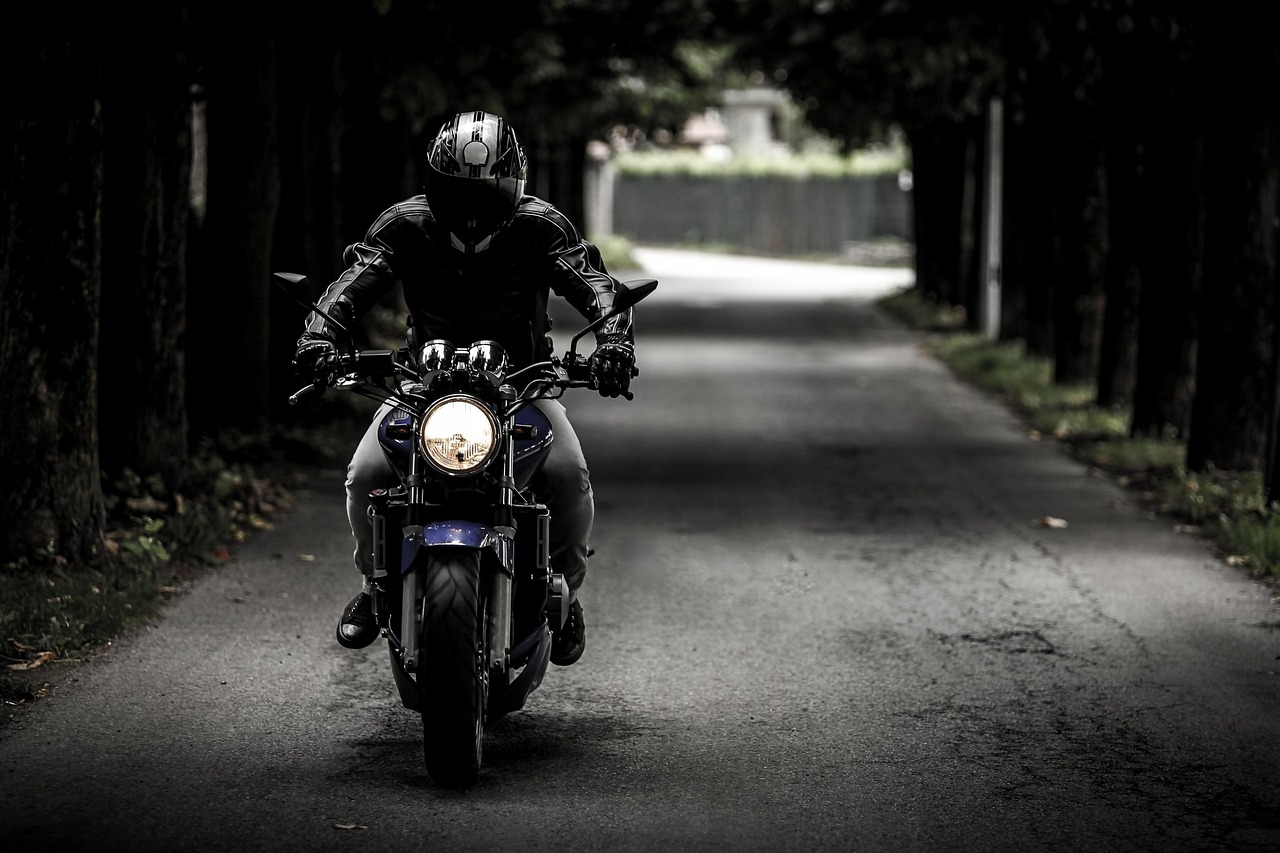
Type approval for motorcycles, scooters, and three-wheelers — a distinct regulatory profile from passenger cars, increasingly complex as EVs enter the picture.
Type Approval for Two and Three Wheelers
The two- and three-wheeler segment faces a distinct regulatory profile — with specific noise, emissions, and dynamics regulations that differ significantly from passenger car requirements. An increasingly complex picture has emerged as electric two-wheelers enter the approval process for the first time, bringing UNECE R100 high-voltage safety and EU Battery Regulation obligations into a category that previously managed simpler frameworks.
Indian two- and three-wheeler manufacturers are among the most active exporters in the world. Royal Enfield, TVS, Bajaj, and Hero MotoCorp all have significant European market exposure. KaM has supported type approval programmes for these manufacturers and for the next generation of EV two-wheeler companies now building for global markets.
What We Offer This Sector
UNECE Type Approval
Noise, emissions, and dynamics approvals specific to L-category (two and three wheeler) regulations.
Learn more →EU Battery Regulation
EUBR compliance for electric two-wheelers and their battery systems.
Learn more →Two and Three Wheelers FAQ
Direct answers about two and three wheelers compliance and approval planning.
Are two- and three-wheeler approvals different from passenger car approvals?
Yes. Two- and three-wheelers are handled as L-category vehicles, with their own approval scope for noise, emissions, braking, lighting, and electric powertrain safety where relevant.
Can electric two-wheelers need both type approval and battery compliance?
Yes. Electric two-wheelers can need vehicle type approval for the L-category vehicle and separate EU Battery Regulation evidence for the battery system when the product is placed on the European market.
Does EU Regulation 168/2013 apply to two- and three-wheelers?
Yes. EU Regulation 168/2013 is the core EU framework for L-category vehicles, including motorcycles, scooters, mopeds, three-wheelers, and quadricycles entering EU markets.
Which UNECE regulations matter for electric two-wheelers?
KaM Auto commonly checks UN R78 for braking, UN R41 for motorcycle noise where applicable, UN R10 for EMC, and UN R100 for electric powertrain safety on electric two-wheeler programmes.
Discuss Your Two and Three Wheelers Compliance Requirements
Tell us the vehicle segment, target markets and timeline you are working toward. We will map the approval route and the services that matter for this sector.
Speak to a SpecialistTell us your markets
Your target regions, vehicle category and the timeline you are working to.
We map the path
A gap analysis against every applicable regulation — before any cost is committed.
One quote, one contract
Fixed scope, routed direct through VCA and Kiwa, certificate in hand.